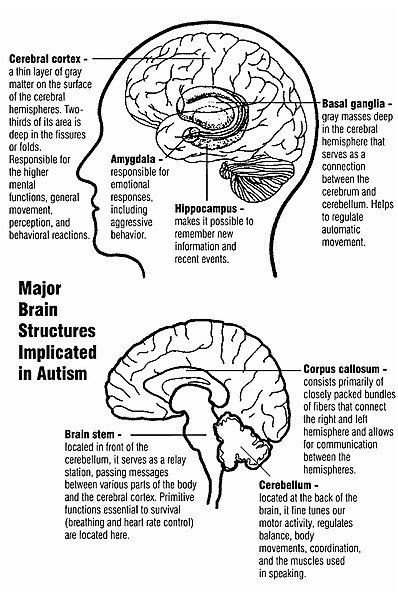
http://news.bbc.co.uk/1/hi/health/8711977.stm
It's been a while since I posted, I realise this, and I apologise everyone! Really, I do! Life kind of ran away from me for a little while, I've faced a pretty nasty situation at work and needed time to reflect on me, my opinions, whether I'm strong enough to deal with them, and how I'll move forward from them. I knew physical intervention was part of my job, I knew I'd need it at some point....I just didn't think I'd have to use it alone. My view of my colleagues changed, and my view of myself has changed.
Anyway - I read the above article this morning while having my tea and toast, at the time it didn't really register (tired brain!), but while in art therapy I found myself looking at the clients and thinking back to it. There is still a stigma attached to mental health, it's still as confusing as ever.....the article gives an insight into why.
If you have a few minutes check it out! (I promise a longer post soon!)
Tuesday, 8 June 2010
Funding
Posted by Loui at 13:37 0 comments
Monday, 10 May 2010
Borderline Personality Disorder (BPD)
a video!
very touching and very emotional clip.....but worth a watch.
Posted by Loui at 10:34 0 comments
Tuesday, 27 April 2010
Schizophrenia
Today during the morning's de-briefing we had a talk from a behavioural therapist with regards to one of our client's mental health problem. He has Schizophrenia, this is not to be confused with Dissociative Identity Disorder (I'll cover this in another blogpost at some point). Schizophrenia is characterised by distortion of perception or reality. Approximately one in a hundred people will suffer at least one episode of acute Schizophrenia in their lifetime, statistically there is no real gender difference and the symptoms usually begin in early adulthood. Symptoms are usually divided into positive and negative symptoms because of their impact on diagnosis and treatment. Positive symptoms are those that appear to reflect an excess or distortion of normal functions. Negative symptoms are those that appear to reflect a diminution or loss of normal functions; usually when there is an absence of positive symptoms. Negative symptoms are difficult to evaluate because they are not as grossly abnormal as positives ones and may be caused by a variety of other factors as well.
The DSM-IV gives the diagnostic criteria for Schizophrenia as;
"Positive" Characteristics;
Two or more of the following present for a significant portion of time during a one month period or less if treated successfully;
1. Delusions; strong false beliefs that are still held despite overwhelming invalidating evidence;
- Paranoid/Persecution Delusion; believing people are "out to get" you.
- Delusions of reference; belief that environmental items appear directly related to you even though they are not, i.e. communications through the television
- Somatic Delusion; false beliefs about your body i.e. the belief that something foreign is inside your body.
- Delusions of grandeur; i.e. belief that you have special powers or abilities.
2. Hallucinations;
- Visual; seeing things that are not there, or that other people cannot see.
- Auditory; hearing things others cannot hear.
- Tactile; feeling things that other people do not feel.
- Olfactory; smelling things that other people cannot smell.
- Gustatory; tasting things that are not there.
3. Disorganised speech (derailment or incoherence); ongoing disjointed or rambling monologues in which the person appears to be speaking to themselves or imagined people/voices.
4. Grossly disorganised or catatonic behaviour; abnormal condition variously characterised by stupor, mania and either extreme ridigity or flexibility of the limbs.
"Negative Characteristics";
1. Alogia; decrease of speech fluency and productivity, usually seen as short replies to questions. Believed to be a reflection of blocked/slowing thoughts.
2. Affective Flattening; Reduction of emotional expression (including facial, tone of voice, eye contact), inability to interpret body language.
3. Avolition; reduction or difficulty in achieving goal-directed behaviour. Can be mistake for disinterest.
Cognitive Symptoms; difficulties with concentration and memory.
- Disorganised thinking
- Slow thinking
- Difficulty understanding
- Poor concentration
- Poor memory
- Difficulty expressing thoughts
Types of Schizophrenia;
1. Paranoid Schizophrenia; These people are very suspicious of others and often have grand schemes of persecution at the root of their behaviour patterns. Halluciations and delusions, are a prominent and common part of the illness. Thought disorder, disorganized behavior, and affective flattening are absent.
2. Disorganised Schizophrenia (Hebephrenic Schizophrenia); In this case people are verbally incoherent and may have moods and emotions that are not appropriate to the situation. Hallucinations are not usually present. Thought disorder and flat affect are present together.
3. Catatonic Schizophrenia; In this case, the person is extremely withdrawn, negative and isolated, and has marked psychomotor disturbances; the subject may be almost immobile or exhibit agitated, purposeless movement. The symptoms can also include catatonic stupor and waxy flexibility
4. Residual Schizophrenia - In this case the people are not suffering from delusions, hallucinations, or disorganized speech and behaviour, but lack motivation and interest in day-to-day living. Where positive symptoms are present at a low intensity only.
5. Schizoaffective disorder; These people have symptoms of schizophrenia as well as mood disorder such as major depression, bipolar mania, or mixed mania (explained below)
6. Undifferentiated Schizophrenia; Conditions meeting the general diagnostic criteria for schizophrenia but not conforming to any of the above subtypes, or exhibiting features of more than one of them, without a clear predominance. Psychotic symptoms are present but the criteria for paranoid, disorganized, or catatonic types have not been met.
Schizoaffective Disorder is characterised by recurring or simultaneously episodes of elevated or depressed mood, that alternate or occur together with distortions in perception. The DSM-IV-TR characterise this as;
-Delusions
-Hallucinations
-Disorganised speech (manifestation of formal thought disorder)
-Disorganised behaviour or catatonic behaviour
- Negative Symptoms i.e. avolition, anhedonia, social withdrawal, etc.
Usually two or more of the following symptoms are present for the majority of a one month period (dependant upon if the symptoms improved with treatment). However, if the delusions are judged to be "bizarre", or if the hallucinations consist of hearing one voice in a running commentary of the individuals actions, or if the individual hears two or more conversing voices; then only the Delusions criterion is needed for a diagnosis. At some time during this bout of illness, some or all of the following episodes would be present;
major depressive episode
manic episode
mixed episode
Usually these symptoms are not caused by drug abuse.
- There are also two further subtypes of Schizoaffective Disorder that exist, these are;
- 1. Bipolar type; disturbance may include;
2. Major depressive episodes usually, but not always, also occur in the bipolar subtype, however they are not required for DSM-IV diagnosis.
- 3. Depressive type; The depressive type is noted when the disturbance includes major depressive episodes exclusively. This applies if major depressive episodes only (and no manic or mixed episodes) are part of the presentation.
Peace out!
Posted by Loui at 11:18 0 comments
Labels: catatonic behaviour, Delusions, disorganised speech, Dissociative Identity Disorder, Mania, Schizoaffective Disorder, Schizophrenia, stupor
Friday, 16 April 2010
New Job Induction and Introduction
I have learned so much this week, it has been a mish mash of paperwork, legalities, vaccinations and meeting new people. On Monday I strolled into the security booth, every now and again checking that my car hadn't moved from it's place in the visitors car park through the booth windows. I was shaking, nerves really giving me an overhaul. I felt sick, anxious, excited and apprehensive. It's been a while since I actually worked in mental health and learning disabilities, and quite a few years since I worked in a secure unit. I signed the visitors book, and attached my visitors pass to my freshly ironed jeans, then stepped out of the other side of the booth, onto the other side of the fencing, the other side of the barrier, and into a new world. I followed the path along some of the newly built units, the whole place eerily silent, the sun beaming down, illuminating the greenery, giving the place a comforting appeal. I shielded my eyes from the sun and gave a nervous glance to the red brick building standing in the centre of the hospital grounds....the remnants of a long forgotten time, a time of pain, of anguish, of screams, confusion, hurt....the only reminder of the long gone "lunatic asylum", the long gone patients hidden from the judging society.
It took me a few moments to realise I'd stopped walking, lost in my thoughts about a time gone by. Of centrifugal treatment, of institutional abuse, of white straitjackets. How things have progressed, how people are becoming more aware of problems, aware of the treatments....more tolerant and accepting. This hospital site is now to aid in rehabilitation and aiding the clients back into society, not hiding them away, locking them away with their demons.
I took a deep breath and carried on to the training room, curiously eyeing the fenced off building to my left....my new unit. Upon reaching the room I spent 9am-5pm learning about legal, professional and moral obligations of working within the NHS, in a secure unit. We learned nothing of the learning disabilities or the mental health issues our client base had, we didn't even broach the subject of our individual units. We were an eclectic mix of staff, some nurses, some doctors, some with care experience, others without, some of us support workers, some of us admin. The day ended with me retracing my steps, glancing at the fenced unit, glancing at the red brick building, handing in my visitors badge. I then sat in my car, breathing deeply, taking in how different that fenced off world appears. I realised my nerves had at some point left, staying behind the barrier. In the silence, with the shadows of the past. Monday to Thursday repeated this, with a lovely little trip to Occupational Health on the Wednesday for the very pleasant nurse to jab me with the Hepatitis B vaccine, the bruise has only just appeared.
Today was different, today we found ourselves inside the fenced unit, inside the fenced hospital grounds. The strong smell of disinfectant reminded me of general hospitals, the walls and floor gleaming white, clinical. I walked alongside my new colleagues, taking in my new surroundings, it was still eerily quiet, but there were over forty clients living there. Perhaps the silence was only eerie because I expected trouble, I expected fighting, I expected verbal abuse. The lighting was bright, the hallway seemed longer and wider, my supervisors voice echoed as she explained her role. I was introduced to a handful of my new client base, some were incredibly friendly, others very cautious, even suspicious of me. I smiled, used my best "I'm not bricking it" voice, introduced myself and listened as they talked. I observed the panic alarms the staff were wearing, every so often they bleeped, the unnerved me. I suppose until I need one, I'll be cautious of them. It was a fleeting visit, a taster almost. My two new colleagues walked me back to reception, locking each door behind us. I was left at reception again, head buzzing. So much to take in, so much to understand....so much silence.
I'm sat here now wondering what the next few weeks will entail, what will happen next.
Posted by Loui at 12:09 0 comments
Labels: hepatitis B, learning disabilities, mental health, NHS
Friday, 9 April 2010
Autism part 2
Sorry it took me so long to post again! Gosh I'm getting worse at keeping up! I'm due to start my new support worker job on monday, well, due to start the induction/training, so no doubt many a future post will based around this and experiences within an NHS environment. I am also horrendously behind with my training for the Manchester 10k run for Alzheimer's Society, which is fast approaching!
Well, as promised here is part 2 for WAAD, and today I'll be focussing on Asperger's Syndrome; So, what is Asperger's Syndrome?
Asperger's is categorised as an autism spectrum disorder, and people with it therefore show significant difficulties in social interaction, along with restricted and repetitive patterns of behavior and interests. As linguistic and cognitive development appear unaltered it stands out from other Autistic Spectrum disorders. It was in 1944 that Hans Asperger, who was an Austrian pediatrician, first noted that some children in his practice lacked nonverbal communication skills, exhibited limited empathy, and were physically clumsy. Hans Asperger
The main characteristics of Asperger's are placed into three categories, these are;
1. Difficulty with social communication. Some people with Asperger's occasionally find it difficult to express themselves emotionally and socially, such as a difficulty understanding gestures, facial expressions, tone of voice, starting conversations (i.e. picking a topic); may have a literal understanding of things (therefore jokes and sarcasm are difficult to understand); may use jargon or complex phrases that they do not understand the meaning of.
2.Difficulty with social interaction. The problem in this situation is the difficulty in maintaining relationships, or in some cases initiating relationships. This can be due to them finding other people confusing; not understanding social rules; this can result in the person becoming withdraw or uninterested in other people, or evening using inappropriate behaviour.
3.Difficulty with social imagination. This can be be seen when the person's imagines alternative outcomes to situations which they then find then hard predicting what happens next; misunderstanding other peoples thoughts, or feelings, and in some cases actions too.
Alongside these characteristics Asperger's may manifest itself through;Rituals and routines; To try and make the world less confusing, people with Asperger syndrome may have rules and rituals (ways of doing things) which they insist upon.
Special interests; People with Asperger syndrome may develop an intense, sometimes obsessive, interest in a hobby or collecting. Sometimes these interests are lifelong.
Sensory difficulties; People with Asperger syndrome may have sensory difficulties. The degree of difficulty varies from one individual to another. Most commonly, an individual's senses are either intensified (over-sensitive) or underdeveloped (under-sensitive)."People with sensory sensitivity may also find it harder to use their body awareness system. This system tells us where our bodies are, so for those with reduced body awareness, it can be harder to navigate rooms avoiding obstructions, stand at an appropriate distance from other people and carry out 'fine motor' tasks such as tying shoelaces. Some people with Asperger syndrome may rock or spin to help with balance and posture or to help them deal with stress (- "National Autistic Society")
Posted by Loui at 04:10 0 comments
Labels: Alzheimer's Society, Asperger's, cognitive development, linguistic
Friday, 2 April 2010
WAAD (Autism part 1)
Good afternoon everyone,
Today I thought it would be rather apt to talk about Autism seen as April 2nd 2010 is known as World Autism Awareness Day, on December 18th 2007 the United Nations General Assembly adopted resolution 62/139 (State of Qatar) making it thus. So, I shall start this blogpost by asking the question - What is Autism?
The definition of Autism is a"disorder of neural development characterized by impaired social interaction and communication and by restrictive repetitative behaviour". It is categorised as a Pervasive Developmental Disorder, the five disorders which fall into this category are as follows;
- Pervasive developmental disorder not otherwise specified (PDD-NOS) which includes atypical autism
- Autism, the best-known
- Asperger syndrome
- Rett syndrome
- Childhood disintegrative disorder (CDD).
Communication problems associated with PDD usually include;
- Difficulty using and understanding language
- Difficulty relating to people, objects, and events; for example, lack of eye contact or pointing behavior
- Unusual play with toys and other objects
- Difficulty with changes in routine or familiar surroundings
- Repetitive body movements or behavior patterns, such as hand flapping, hair twirling, foot tapping, or more complex movements
- difficulty with social communication; they have a very literal understanding of language (verbal and non-verbal), and thus believe that what people say is always the truth which makes slang, jokes, sarcasm and facial expression to be particularly difficult for them to comprehend. Following on from the spectrum concept communication may be different for each person, some may have full comprehension of what is being said to them but prefer to use non-verbal communication for response (e.g. sign language), whereas others may have excellent verbal skills but limited comprehension and thus resort to echolalia, or talking about themselves for long periods.
- difficulty with social interaction; People with Autism usually have difficulty comprehending or recognising the emotional state of other people, and may have problems expressing their own emotions. Therefore they may;
- not understand the unwritten social rules which most of us pick up without thinking
- appear to be insensitive
- prefer to spend time alone rather than seeking out the company of other people
- not seek comfort from other people
- appear to behave 'strangely' or inappropriately, as it is not always easy for them to express feelings, emotions or needs.
- difficulty with social imagination; People with Autism find social imagination difficult and therefore can not understand or predict another person's behaiour, these difficulties also apply to;
- predicting what will happen next, or what could happen next
- understanding the concept of danger
- engaging in imaginative play and activities
- preparing for change and plan for the future
- coping in new or unfamiliar situations.
- This should not be confused with a lack of imagination!
- Stereotypy is repetitive movement, such as hand flapping, making sounds, head rolling, or body rocking.
- Compulsive behavior is intended and appears to follow rules, such as arranging objects in stacks or lines.
- Sameness is resistance to change
- Ritualistic behavior involves an unvarying pattern of daily activities, such as an unchanging menu or a dressing ritual. This is closely associated with sameness and an independent validation has suggested combining the two factors.
- Restricted behavior is limited in focus, interest, or activity, such as preoccupation with a single television program, toy, or game.
- Self-injury includes movements that injure or can injure the person, such as eye poking, skin picking, hand biting, and head banging. A 2007 study reported that self-injury at some point affected about 30% of children with ASD
Autism affects how the nerve cells and their synapses connect and organise, which affects information processing. Autism has a strong genetic basis, and has beeen linked to rare gene mutations or rare combinations of common genetic variants, there is also the possibility of environmental causes (i.e. vaccines, heavy metals, pesticides). It's symptoms initially cause concern for parents as the child reaches two to three years of age as the signs gradually make themselves known.
The concept of the childhood vaccines being linked to Autism is quite controversial. Medical evidence suggests that there is no significant risk from vaccines, this is according to the American Academy of Pediatrics, the CDC, the World Health Organization, and the Institute of Medicine. This article by WebMD makes for very interesting reading with regards to this highly controversial subject.
Neuroanatomical studies and the associations with teratogens strongly suggest that autism alters brain development soon after conception. There appears to be overgrowth of the brains of Autistic children just after birth, this is followed by normal or slower growth during childhood; it needs pointing out that this overgrowth may not occur is all autistic children. It seems to be most prominent in brain areas underlying the development of higher cognitive specialization, possible causes for this are;
- An excess of neurons that causes local overconnectivity in key brain regions.
- Disturbed neuronal migration during early gestation.
- Unbalanced excitatory–inhibitory networks.
- Abnormal formation of synapses and dendritic spines or by poorly regulated synthesis of synaptic protein.Disrupted synaptic development may also contribute to epilepsy, which may explain why the two conditions are associated.
Further information can be found at;
http://www.nas.org.uk/
http://www.nimh.nih.gov/health/publications/autism/complete-index.shtml
http://hcd2.bupa.co.uk/fact_sheets/html/autism.html
http://www.worldautismawarenessday.org/site/c.egLMI2ODKpF/b.3917065/k.BE58/Home.htm
Posted by Loui at 05:05 0 comments
Labels: ASD, Autism, CDD, Communication, Neural, PDD, Rett Syndrome, Social Interaction, teratogen, Triad of Impairment, WAAD
Tuesday, 30 March 2010
Four Days = Different Outlook
Hello everyone!
Today's post is brought to you buy Help For Heroes! The reason for this is that I've just spent the past four days in Wales (one night in Neath, and the other nights at Haverfordwest), for my little brother's homecoming parade. He's in the signal squadron, this was first active tour of duty (6 months) in Afghanistan and has had many a near miss through it. Those left at home have been climbing the walls as bad news from the area he was in was broadcast on the news, even though we knew should something have happened we'd be the first to know. The family environment was tense, returning home day after day was proving trying and the temptation to work long hours crept in. I'm pretty sure the family would have shattered if he had been away for longer, and that would just have been my mother driving us away with her dark moods.
Yesterday we got to see him march in the homecoming parade, it was raining, it was dank, the band were playing ABBA (my brother will now be forever named "Dancing Queen"), and there were so many people that eyes were in danger of becoming victims to umbrellas. But, we stood tall, we stood together, we clapped, we cheered, we cried. I shared my umbrella with a young lady and her small son, celebrating the safe return of husband and father. We were celebrating the safe return of son and brother. We all shared a common interest. Well all shared pride. Overwhelming pride for those returned safe. They halted, each approached by the mayor, each given their prized medals, and cheered further. As heroes deserve to be!
We met them all for a beer, we hugged my brother, losing all anxiety. We laughed, we joked, we heard tales of war.....and then something happened that tested my theory of no pure altruism. These young men had been fighting, risking their lives on a daily basis, home for merely a day or so. My brother introduced me to one of his colleagues, one of his friends, who proceeded to hand over £20 ...... sponsorship for my 10k run in May, "to help raise awareness". £20 for the Alzheimer's Society.
My first sponsor.
Posted by Loui at 08:15 0 comments
Labels: Afghanistan, Help for Heroes
Saturday, 20 March 2010
Psychopath Reward
Well, it's been a while since I posted on here, my football team have lost a few games, there is no sign of my CRB or job start date, and I've nursed a hangover or two. Things will change this week, I need to get back to training for the North Run 10k, update my CV for the job change, and look into the DClinPsy application route to give me a heads up for two years time. Yep, two years time, I like to be prepared. Anyway, today's food for thought is from New Scientist;
http://www.newscientist.com/article/dn18653-brain-chemical-is-reward-for-psychopathic-traits.html
I guess I should first give the definition of a psychopath and indeed psychopathy. According to Dr. Robert Hare a psychopath is someone "lacking in conscience and empathy, they take what they want and do as they please, violating social norms and expectations without guilt or remorse". Psychopathy is now known as Antisocial Personality Disorder (APD) or Dissocial Personalty Disorder by the DSM (Diagnostic and Statistical Manual of Mental Disorders), and classified as thus; "...a pervasive pattern of disregard for, and violation of, the rights of others that begins in childhood or early adolescence and continues into adulthood." The symptoms of which are;
-Persistent lying or stealing
- Superficial charm (glibness, insincere charm, associated with Narcissistic tendancies).
- Lack of remorse or empathy
- Inability to keep jobs
- Impulsivity and/or recklessness
- Lack of realistic, long-term goals
- Inability to make or keep friends, or maintain relationships such as marriage
- Poor behavioural controls (irritability, annoyance, impatience, threats, aggression, and verbal abuse; inadequate control of anger and temper)
- Narcissism, elevated self-appraisal or a sense of extreme entitlement
- A persistent agitated or depressed feeling (dysphoria)
- A history of childhood conduct disorder
- Recurring difficulties with the law
- Tendency to violate the boundaries and rights of others
- Substance abuse
- Aggressive, often violent behavior; prone to getting involved in fights
- Inability to tolerate boredom
- Disregard for the safety of self or others
- Persistent attitude of irresponsibility and disregard for social rules, obligations, and norms
- Difficulties with authority figures
The DSM fourth edition, defines antisocial personality disorder as;
A) A pervasive pattern of disregard for, and the rights of, others occurring since the age of 15, as indicated by three (or more) of the following:
- failure to conform to social norms with respect to lawful behaviors as indicated by repeatedly performing acts that are grounds for arrest;
- deceitfulness, as indicated by repeatedly lying, use of aliases, or conning others for personal profit or pleasure;
- impulsivity or failure to plan ahead;
- irritability and aggressiveness, as indicated by repeated physical fights or assaults;
- Reckless disregard for safety of self or others;
- Consistent irresponsibility, as indicated by repeated failure to sustain consistent work behavior or honor financial obligations;
- Lack of remorse, as indicated by being indifferent to or rationalizing having hurt, mistreated, or stolen from another.
B) The individual is at least 18 years of age.
C) There is evidence of Conduct disorder with onset before age 15.
D) The occurrence of antisocial behavior is not exclusively during the course of schizophrenia or a manic episode.
Whereas Dissocial Personality Disorder is characterized by at least 3 of the following:
- Callous unconcern for the feelings of others and lack of the capacity for empathy.
- Gross and persistent attitude of irresponsibility and disregard for social norms, rules, and obligations.
- Incapacity to maintain enduring relationships.
- Very low tolerance to frustration and a low threshold for discharge of aggression, including violence.
- Incapacity to experience guilt and to profit from experience, particularly punishment.
- Markedly prone to blame others or to offer plausible rationalizations for the behavior bringing the subject into conflict.
- Persistent irritability.
(Notice that Conduct Disorders are not taken into account for Dissocial Personality Disorder - thus they are classified as different.)
The article relates to elevated Dopamine levels being a reward for the brain in those with psychopathic tendancies. This elevated level releases pleasure in the individual, and thus they seek out ways to experience this again; to get the things they want through callous and manipulative acts. The study by Buckholtz is of real importance with regards to this theory, with the use of a radioactively labelled amphetamine type of drug that attaches itself to the dopamine producing neurons; this enabled the researchers to determine where and how much dopamine was being produced in each of the participants' brains.
Further information can be found here;
http://www.world-science.net/othernews/100315_psychopath.htm
Posted by Loui at 10:18 0 comments
Labels: APD, conscience, DClinPsy, dopamine, DSM, empathy, Great North Run, norms, psychopath, psychopathy, Robert Hare
Thursday, 11 March 2010
Lost for words
http://news.bbc.co.uk/1/hi/england/manchester/8561513.stm
I'm not sure I can fully comprehend in words how angry and frustrated I felt reading this story; I'm totally gobsmacked. I actually feel as though they've let down this gentleman, regardless of the police covering their arses as best they can with innane "we did the best we can" drivel. The police are assigned to protect people, not wait on the side lines until someone dies and then step in.
Posted by Loui at 10:33 0 comments
Tuesday, 9 March 2010
CRB's and work history
Midway through installing a new harddrive to an incredibly fussy Dell Inspiron my mobile started ringing, an unknown number. Usually I don't answer these due to not wanting to buy anything, but today my interest was piqued. I pressed the receive button and rested the mobile on my shoulder while I continued to argue with the Dell. "Hello?" I mumbled, turned out it was the NHS HR department for the support worker role I'm itching to start; "hello, is that Loui? I'm just calling with regards to your CRB references as we can only use two of the three references given, and they only go to the past 2.5 years and we usually require 3 years". Huh, well, this threw me a little bit as prior to my veterinary nursing training I worked as a bank mental health support worker for......guess who?......yep, the same NHS department that this full time role is for. I explained this to the now clearly embarassed, but friendly, HR lady.
She quickly switched to whether I had completed my Occupational Health form, which I had, which is en route back to them, which also shows I'm out of sync with some of my boosters. No doubt that will be a laugh and a half for me when that rolls around....there will probably be much swearing on twitter. The last time I had a tetanus jab the nurse cleaned a part of my arm, and jabbed another, so my faith with regards to vaccinations is slightly jaded.
*fingers crossed* this CRB hurries up! I want to kick start my neuroscience MSc with a few months of relevant work experience!
Posted by Loui at 14:19 0 comments
Labels: Dell Inspiron, veterinary nursing
Sunday, 7 March 2010
Michael J. Fox
Is a legend in his own right, his role as Marty McFly in "Back to the Future" is probably the main character I'll remember him playing. I'm sure many of you readers will do too. Anyway, today's blog is about him because of this;
http://news.bbc.co.uk/1/hi/entertainment/8554203.stm
He is to be honoured by the Karolinska Institute in Sweden for his work in raising funding and awareness of Parkinson's disease, an illness Mr. Fox was diagnosed with in 1991; he is to be given an honorary degree of Medicine. The Michael J.Fox Foundation for Parkinson's Research was established in 2000, and has since raised over £116 million towards finding a cure.
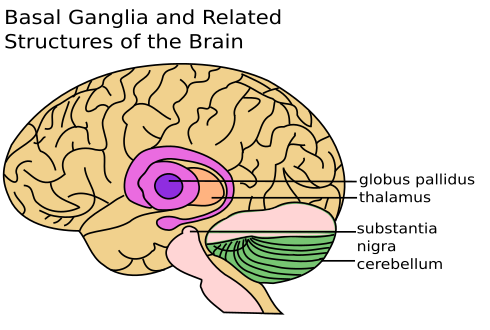
Parkinson's Disease is a neurodegenerative disorder that affects a person's central nervous system, it was discovered by James Parkinson in 1817 who initially called it the Shaking Palsy; Approximately 10,000 people in the UK are diagnosed with Parkinson's Disease each year. The primary symptoms are thought to be caused by insufficient creation and action of the neurotransmitter Dopamine which in turn causes a decreased stimulation of the motor cortex by the basal ganglia.The Basal Ganglia/Nuclei is associated with motor function (control and learning), and action selection; it is the decrease in Dopamine levels of the Substantia Nigra that is believed to be the cause of Parkinson's Disease.
According to the Parkinson's Disease Society the symptoms for Parkinson's disease are as follows;
Motor symptoms have with three primary features:
-Tremor - which usually begins in one hand. This is the first symptom for 70% of people with Parkinson's
-Slowness of movement (bradykinesia) - people with Parkinson's may find that they have difficulty initiating movements or that performing movements takes longer.
-Stiffness or rigidity of muscles - problems with activities such as standing up from a chair or rolling over in bed may be experienced.
Various non-motor symptoms may also be experienced, for example:
-sleep disturbances
-constipation
-urinary urgency
-depression
Drug treatments of Parkinson's Disease consist of;
-"Dopamine replacements"; (inc Co-Benedopa/Madopar and Co-Careldopa/Sinemet. These medicines are combinations of L-DOPA (Levodopa), which breaks down in the body to form dopamine, and a second drug that ensures L-DOPA reaches your brain. These can provide long-term improvement; but also have side-effects, long-term problems of their own, and "on-off" symptoms ("on-off syndrome").
Side-effects include;
- Sickness
- Vomitting
- Sleepiness
Long term problems include;
- Dyskinesia (Unwanted facial and limb movements)
- Medication that mimics dopamine (dopamine agonists) - this can be taken combined with L-DOPA or prior to the inital use of L-DOPA (inc Pramipexole/Mirapexin, Ropinirole/Adartrel and Rotigotine/Neupro.
Side-effects include;
- Sickness
- Constipation
- Headache
- Sleepiness
- MAOIs (monoamine oxidase B inhibitors)/MAOI-Bs (inc Selegiline/Eldepryl and Rasagiline/Azilect). These prevent Dopamine breakdown and can be used to delay the need for L-DOPA.
Side effects include;
- Low Blood Pressure
-COMT (catechol O-methyl transferase) inhibitors (inc Entacapone/Comtess and Tolcapone/Tasmar). This is a new medication that can be used alongside L-DOPA to prevent Dopamine breakdown, this has been introduced for the stage at which Dopamine replacement medications start to lose their effectiveness.
Side effects include;
- Possible liver damage (regular blood testing is needed)
- Anticholinergic medication; this is designed to block the action of the neurotransmitter Acetylcholine. In effect this corrects the Dopamine and Acetylcholine balance, however this medication is less affective than those that actually replace lost Dopamine and only really aid with tremors.
Side effects include;
- Dry Mouth
- Constipation
- Blurred Vision
Michael J.Fox, along with other advocates and fund raisers, is making it possible to find treatments for the symptomatic effects of Parkinson's disease along with treatment for the actual disorder. The honorary degree is well deserved! At the very least, this report reminded me to read his Biography (it's on my Amazon list), something tells me it will be a truely inspiring and intriguing read!
Posted by Loui at 08:09 0 comments
Labels: Acetylcholine, Anticholinergic, basal ganglia, dopamine, Foundation for Parkinson's Research, James Parkinson, Karolinska Institute, L-DOPA, Michael J.Fox, Parkinson's Disease, Shaking Palsy
Saturday, 6 March 2010
Migraine relief?
Migraines, not just your average headache! I've been a sufferer for the past ten years, they are only just becoming manageable with diet, exercise, no drinking, no alcohol, 8-hr a night sleep sessions and plenty of water. I'd say my life is boring; except the exercise regime I keep involves rock climbing, training for charity runs (hopefully soon a half marathon), hiking, etc. I'm planning on taking up snowboarding at some point!
Anyways, migraines is a neurological condition that affects approximately one in four women and one in twelve men in the UK. The attacks alter your bodily perceptions (i.e. produce auras which can be olfactory or visual), alongside the headache pain (which is predominantly unilateral), and produces nausea.
According to "The International Classification of Headache Disorders, 2nd Edition" (ICHD-2) there are seven subclassifications of migraine;
1. Migraine without aura, or common migraine, involves migraine headaches that are not accompanied by an aura.
2 & 3. Migraine with aura usually involves migraine headaches accompanied by an aura. Less commonly, an aura can occur without a headache, or with a non-migraine headache. Two other varieties are Familial hemiplegic migraine and Sporadic hemiplegic migraine, in which a patient has migraines with aura and with accompanying motor weakness. If a close relative has had the same condition, it is called "familial", otherwise it is called "sporadic". Another variety is Basilar-type migraine, where a headache and aura are accompanied by difficulty speaking, vertigo, ringing in the ears, or a number of other brainstem-related symptoms, but not motor weakness. (This is my migraine diagnosis)
4. Childhood periodic syndromes that are commonly precursors of migraine include cyclical vomiting (occasional intense periods of vomiting), abdominal migraine (abdominal pain, usually accompanied by nausea), and benign paroxysmal vertigo of childhood (occasional attacks of vertigo).
5. Retinal migraine involves migraine headaches accompanied by visual disturbances or even blindness in one eye.
6. Complications of migraine describe migraine headaches and/or auras that are unusually long or unusually frequent, or associated with a seizure or brain lesion.
7. Probable migraine describes conditions that have some characteristics of migraines but where there is not enough evidence to diagnose it as a migraine with certainty.
According to the NHS there are five stages to an attack (though these are not experienced by all sufferers), these are;
1. 'Prodromal' (pre-headache) stage. Some people experience changes in mood, energy levels, behaviour and appetite, and sometimes aches and pains, several hours or even days before an attack.
2. Aura. In about one in six cases, a migraine is preceded by an aura. Symptoms include flashes of light or blind spots, difficulty focusing and seeing things as though through a broken mirror. This stage normally lasts around 15 minutes to an hour.
3. Headache stage. This is usually a pulsating or throbbing pain on one side of the head. There is often nausea or vomiting, extreme sensitivity to bright light and loud sounds, and a strong desire to lie down in a darkened room. This stage lasts for four to 72 hours.
4. Resolution stage. Most attacks gradually fade away. Some people find the headache stops suddenly after they have been sick. Sleep often relieves the symptoms.
5. 'Postdromal' or recovery phase. There may be a stage of exhaustion and weakness afterwards.
I have to admit the aura phase isn't as scary as the photophobia or heightened sensitivity to smells or phonophobia/Hyperacusis that I get pre-headache stage......especially when travelling on public transport. I was tested for anaemia when I was younger as along with these symptoms I also used to go completely pale and near faint, luckily I lost those symptoms as I got older.
The International Headache Society has created a criteria by which Migraines with aura, and those without aura, can be diagnosed as more often than not migraines are misdiagnosed or underdiagnosed. The criteria for Migraines without aura (the 5,4,3,2,1, criteria) are as follows;
5 or more attacks
4 hours to 3 days in duration
2 or more of - unilateral location, pulsating quality, moderate to severe pain, aggravation by or avoidance of routine physical activity
1 or more accompanying symptoms - nausea and/or vomiting, photophobia, phonophobia
To determine if aura only two attacks are needed, and it follows the POUNDing criteria;Pulsating, duration of 4–72 hOurs, Unilateral, Nausea, Disabling.
Migraines have no definitive cause, doctors assume it can be caused by allergic reactions, physical or emotional stress, changes in sleeping patterns, menstrual cycle and certain foods. I spent the past six years convincing my GP that my migraines were not menstrual cycle caused, if you get the same amount and intensity of migraine attacks when your are not on your period as you do on it then surely it is not hormonally related.
The reason this post is migraine related is because of this news report;
http://news.bbc.co.uk/1/hi/health/8547042.stm
A new hand-held device that is applied to the back of the head which in turn emits a single-pulse transcranial magnetic stimulation (sTMS) which is thought to disrupt the brain's electrical "aura causing" events. The initial trail has shown that 40% of patient's were pain free two hours after administering the device, with no serious side effects!
This device could give relief from migraine with aura, without the use of drugs!
Posted by Loui at 06:25 0 comments
Labels: aura, ICHD-2, migraines, phonophobia, photophobia, transcranial magnetic stimulation
Thursday, 4 March 2010
NHS test
Well, today was the day I went for the Numeracy, Literacy and a kind of "boundaries" test ready for the Support worker role I've accepted. I still cannot get over how amazing the red brick reception building is that sits in the centre of the secure hospital grounds; it fascinates and frightens me in one. This building used to house psychiatric patients when they were hidden from the world, this building will hold some truely disturbing memories within it's walls, and this building is the only thing on the grounds that shows the history of the unit. It has since evolved into a rehabilitation unit for adult learning disabilities, new clinical buildings replaced the old decrepid ones, and plenty of serene, calming greenery appeared.
The receptionist welcomed me with a smile and showed me through to the testing room, examiner already poised and ready to go. I sat down at the free desk and the examiner placed down three different test sheets, which made me gulp, I had only been expecting the numeracy and literacy tests. I also only had forty five minutes for all three. I think I may have let out a little whimper, though if I would have been questioned on it I would have denied all knowledge (all those years watching The X-Files totally paid off). I started with the numeracy test, which was incredibly basic after my last job (calculating drug dosages and fluid therapy rates) so felt particularly confident going into the literacy test,which reminded me a little bit of the quizzes you get in the newspaper. I then checked the time as it ticked by faster than I had hoped it would, with twenty minutes to spare I undertook the "boundaries" test paper, there was a picture at the top of the first page which showed a client hugging a support worker. The main questions were; what should you be prepared for when dealing with an aggressive client base, and what do you think of the hug in the picture? I'm not giving my answer as I could probably be identified by this. However, to aid those going for a job such as this, when dealing with an aggressive client it's best to keep in mind de-escalation techniques, control and restraint training, and tayloring your behaviour to theirs. As far as the hugging goes - that's personal opinion more than anything, but place emphasis on boundaries, if it's morally and ethically right to encourage this behaviour, and how it may change the roles (support worker and client base). I passed the numeracy and literacy tests with flying colours, and the boundaries test apparantly is to check I fully understand what is expected from me as a support worker. This was a pass too. It was an intriguing insight for myself as well as my future employers, with a twenty minute deadline you don't have a huge amount of time to mentally plan your answers, you just go with the flow.
I was free after filling in an enhanced CRB check, free to do as I liked. So, what did I do with my whole day off?......I watched Star Trek Enterprise, more specifically, the "In a Mirror, Darkly" the parallel universe episodes. I started out watching Enterprise because of a love of sci-fi, now I watch it because of a love of this Star Trek series and a huge girly crush on Dominic Keating.....particularly in the role of Major/Lt.Reed. Yes he is old enough to be my dad - but seriously girls, watch it and you'll understand....I'm still trying to work out if it's the jumpsuit, the fight scenes or just his accent! And for the guys - check out this specific episode if you have a thing about Vulcans or just Commander T-Pol (Jolene Blalock) in particular as the uniforms for the female roles and a bit revealing. Yes - I'm a trekkie, I'm a nerdling, I'm a geek, but hell, it makes me happy.
Posted by Loui at 09:02 0 comments
Labels: Dominic Keating, Jolene Blalock, Major/Lt.Reed, mental health support worker, Star Trek Enterprise, T'Pol, The X-Files
Tuesday, 2 March 2010
Trepanation???? Ouch!
The burrowing of a hole into a person's skull to reveal the dura mater as a treatment of intracranial diseases. This supposed pseudoscience was once the breakthrough treatment for epilepsy, migraines and serious mental illness (i.e. Schizophrenia); with evidence to suggest that survival rates were high and infection rates low. "During the Middle Ages and the Renaissance, trepanation was practiced as a cure for various ailments, including seizures and skull fractures. Out of eight skulls with trepanations from the 6th-8th centuries found in southwestern Germany, seven skulls show clear evidence of healing and survival after trepanation" - quote from Wiki.
Modern day surgery that is an enhanced version of this invasive procedure is classified as a Craniotomy; which is used as treatment for Traumatic Brain Injury (TBI) such as Subdural Haematoma, Brain Lesions, and Deep Brain Stimulators (treatment for Parkinson's Disease, Epilepsy and Cerebellar Tremor).
I suppose you're now wondering why I'm waffling on about such a subject? Well - I came across this wonderful article at New Scientist today on my break (advantages of being an IT technician at the moment);
http://www.newscientist.com/article/mg20227121.400-like-a-hole-in-the-head-the-return-of-trepanation.html
Trepanation as a treatment of Alzheimer's disease? I await the research!
Posted by Loui at 11:02 0 comments
Labels: Alzheimer's, dura mater, intracranial disease, trepanation
Sunday, 28 February 2010
Post holiday blues and interview questions
I have returned from my wintery holiday in the Lake District and back to my normal lifestyle; in some respects I find this unfortunate as the fresh air, fell climbs and freedom I felt this week was unbelievable. A thoroughly enjoyable experience. Standing at the summit of Helm Crag in the ice and slush while feeling the light fluttering of a snow fall begin was a breathtaking experience for a newbie to the hiking scene. I held my Patagonia fleece close and absorbed the amazing views from all directions sensing that light would be fading soon, and being totally aware that myself and my partner were the only ones upon the summit. It was just the two of us. Until my mobile vibrated from my waterproof jacket alerting me to voicemail, I hadn't realised it had been ringing. As the wind was picking up I left the voicemail, I didn't recognise the mobile numbers that had registered so assumed they were wrong numbers. We hitched our rucksacks and headed across the ridge to Gibson's Knott before heading back to the car, this bit was a pleasant stroll in comparison to the hellish steps at the start of Helm Crag, if you're 5'2" or shorter there are parts where your knees are as high as your chest. After a while, this is incredibly painful!
The wander back down resulted in many a slip, jelly legs and much giggling. It was worth it, even if the reward was a handful of beautiful photographs, aching almost cramping legs and freezing fingertips. Getting back to the car I tentatively removed my Asolo boots and replaced them with my old faithful DC shoes and checked my voicemail. To find a HR message with regards to the support worker role I was interviewed for requesting details for the CRB and health check; and congratulating me on getting the mental health support worker role! That's right readers, I got the job I was interviewed for mid-holiday, surprisingly.
The interview was on the wednesday, I left the Lakes and drove the hour and a bit journey to the medium security rehab unit with anxiety butterflies eating away at my stomach. The unit is set back from the road, surrounded by beautiful greenery with a small tarmac road winding it's way to the visitors car park. I found the perfect parking space and made my way to the security booth to be greeted by a young security guard. He smiled while signing me in and explained the route I needed to take before passing through a visitors pass which I attached to my suit jacket pocket before setting off through the booth to the secure side of the fence. The unit appeared quite welcoming as I followed the directions to the department I was to be interviewed at. The building looked pristine from the outside, and extremely clinical on the inside. I booked into reception and sat next to a suited young man, we got talking about the role and what we expected the role to be like. He was the interviewee before me, and the person to replace him in the chair next to me was incredibly sour faced; she didn't even acknowledge that anyone was in the same room as her.
The interviewer called me through and requested I hand over the alcohol gel I carry and mobile phone, these were subsequently locked away. Considering I was allowed to keep my keys on me this raised an eyebrow from me. I then followed the interviewer (who turned out to be the manager of the unit) to the interview room, plenty of light was coming through the windows in the corridor which reflected off the white clinical walls in a blinding glare. The room was half way down this corridor just before the main wing of the unit; the door clicked open to reveal my second interviewer (who was the head nurse), she gave a welcoming smile and then apologised for not appearing bubblier but their coffee break had been ditched in favour of a very talkative interviewee earlier on in the day. I smiled back, shook hands with her and placed myself in the interview chair (was a little bit gutted it wasn't like the Mastermind chair). I'm not going to reveal my answers but to aid those going for support worker interviews here are some of the questions I was asked;
- What have you been doing with your life for the past two years (work based and socially)?
- What traits and attributes would you bring to this job should you gain it?
- What hobbies do you have that are interchangable?
- Based on your personality, what could you use as a role model?
- How would you diffuse an aggressive situation?
- Do you believe in rehabilitation?
- In the past two years, explain a time you changed work protocol for the better?
The only question I asked my interviewers was why I was considered for the role when I didn't meet the essential criteria? (As this surprised me). The interviewers explained that my varied life was intriguing to them, this wasn't just in my work life, but also my social life. As my lack of life experience was the main reason I was rejected from a doctoral programme interview a few years back this answer was amazing! It did make me think about how much I have changed since leaving university, and made me seriously think about where all this will progress to. I headed back to the rest of my holiday with many a career thought rushing through my mind.
Posted by Loui at 12:09 0 comments
Labels: Helm Crag, mental health support worker
Thursday, 18 February 2010
Holiday
Well, tonight is going to be a bit of a hectic one as I'm meant to be packing ready for my holiday to the fabulous lake district, which starts tomorrow after work, instead I'm procrastinating on here and Twitter. Oh dear. I'll be away for a whole week and a half so I won't be able to update until I return, I can imagine the withdrawal symptoms kicking in after a matter of hours rather than days! I also suspect we're going to experience snow again, especially as my car had a sprinkling of it this morning.....which may affect the amount of hiking and climbing I'll be doing.
If I don't end up with hypothermia then I'll be back posting on here a week on monday! Take care peeps!
Posted by Loui at 09:54 0 comments
Wednesday, 17 February 2010
Tough Love
When I was writing my blog post on Monday I also came across a heart string pulling article regarding a husband's decision to have his wife sectioned because of her struggle with Bipolar Disorder;
http://news.bbc.co.uk/1/hi/health/8511478.stm
Bipolar disorder (also known as Manic-Depressive Disorder, or Bipolar Affective Disorder) is clinically classified as a mood disorder and characterised by a mixture of abnormally elevated moods, referred to as Mania (which may also lead to delusions and hallucinations), and depressive episodes, of which the sufferer will see as "normal". Dependant on the individual these may alternate (rapid cycling) or they may be separated by spates of "normal" moods. According to Mind approximately 1-2% of the general population is diagnosed with Bipolar; there is no statistical difference between male and female numbers, and it usually affects those in their 20s-30s.
This disorder has been separated into subcategories and thus Bipolar is also classified as a spectrum disorder; Bipolar I, Bipolar II, Cyclothymia, or Mixed States. The diagnosis is dependant upon the mania, hypomania and depressive episodes experienced by the sufferer. Angst, J., et al (1978) created a system by which to classify a person within the spectrum;
M : Severe Mania
D : Severe Depression (unipolar depression)
m : Less Severe Mania (hypomania)
d : Less Severe Depression
Therefore, MD would mean the person experiences severe mania followed by severe depression, mD less severe mania (hypomania) followed by severe depression (unipolar depression), etc.
According to the NHS the symptoms of Bipolar disorder are thus;
Mania;
The manic (high) phase of bipolar disorder usually follows 2-4 periods of depression and may include:
feeling very happy, elated, or euphoric (overjoyed),
talking very quickly,
feeling full of energy,
feeling full of self-importance,
feeling full of ‘great’ new ideas and having ‘important’ plans,
being easily distracted,
being easily irritated, or agitated,
being delusional, having hallucinations, and disturbed, or illogical thinking,
not feeling like sleeping,
not eating, and
doing pleasurable things which often have disastrous consequences, such as spending large sums of money on expensive and, sometimes, unaffordable, items.
Depressive Episode;
During a period of depression (low phase) your symptoms may include:
feeling sad and hopeless,
lacking in energy,
difficulty concentrating and remembering things,
a loss of interest in everyday activities,
feelings of emptiness or worthlessness,
feelings of guilt and despair,
feeling pessimistic about everything,
self-doubt,
being delusional, having hallucinations, and disturbed, or illogical thinking,
lack of appetite,
difficulty sleeping and waking up early, and
suicidal thoughts.
There is no definite answer to what causes this disorder; life events, genetics, sleep disturbance and problems with the endocrine system have all been suggested as being possible factors. As with many psychiatric disorders, much more research is required (which I hope to be part of one day!).
Treatment of Bipolar Disorder can take various forms (it depends on what the psychiatrist in charge of the case feels is best), there is no cure as of yet so treatment is symptomatic/management based. Medication wise the drug of choice for rapid cycling Bipolar Disorder more often than not are mood stabilisers such as Lithium; Lithium Carbonate or Lithium Citrate, or Carbamazepine, Semisodium Valproate or Lamotrigine (these three are also anti-convulsants). These are used as long term treatment. Some antipsychotic drugs such as Olanzapine, Quetiapine, Aripiprazole, Haloperidol, Chlorpromazine and Risperidone are also used as treatment of manic episodes. These can be taken at the same time as the mood stabilisers, but are usually short term. To aid in the prevention of relapse a number of Psychotherapeutic/"talking" therapies may be undertaken with the assistance of a psychologist; the most favourable being Cognitive Behavioural Therapy (CBT), this can basically challenge negative thoughts, feelings and behaviours and aid in creating a positive interpretation of them. Hospital Admission is an extreme treatment, but for those incredibly distressed it may be the only "safe" option, it is something they can seek out themselves, or may be compulsory due to sectioning under the Mental Health Act 1983.
The article is an incredibly interesting read, and even gives the option of listening to it on iplayer.It gives a unique insight to how such a disorder affects a relationship, and how diagnoses have changed in recent years. "Fresh air" is no longer classed as appropriate treatment for mental health disorder!
Posted by Loui at 11:55 0 comments
Labels: Bipolar Disorder, Depression, lithium, Mania
Monday, 15 February 2010
Fronto-Temporal Dementia
I was on my break today when I came across this news article relating to Fronto-Temporal Dementia;
http://news.bbc.co.uk/1/hi/health/8513110.stm
Fronto-temporal dementia is a term that relates to many different types of dementia, for example; Pick's Disease/PiD, and is also associated with Motor Neurone Disease. These are all caused by damage to the frontal and/or temporal lobes of the brain.
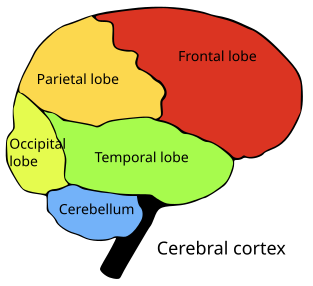
The Frontal lobe (conscious thought/mood changes) reaches "full maturity" in it's 20's, this is due to increased levels of myelin. Poorly myelinated connections in this part of the brain has been associated with young adult Schizophrenia (Arthur Toga). It is also known to have the highest number of dopamine-sensitive neurons (neurotransmitter and neurohormone), a depletion of which is generally found in Parkinson's disease and Autism. The Temporal lobe (Smell/sound/processing of complex stimuli) is associated with long-term memory due to the Hippocampus (located in the medial-temporal lobes), and auditory processing through the Wernicke's area which is linked to Broca's area in the Frontal lobe (inferior frontal gyrus).
Fronto-temporal dementia is a rare form of dementia which is found to be more prevalent in males, particularly those under 65 years of age. This form of dementia is a little bit surreal as far as the definition of dementia goes as many people merely associate it with memory loss, this condition changes a person's whole persona without harming memories. The Cambridge team in the news report found a mutation on chromosome 7 which could affect the protein gene coding.
Finding a gene mutation which causes Fronto-temporal dementia opens so many doors; identifying those at higher risk, prevention, a cure perhaps. A cure for diseases associated with this one even. Exciting news! Also gave me chance to research a bit of it, hence the highlighted parts of this - and please, if anyone reads this that is more clued up and wishes to enlighten me on this then drop me a comment or email!
Posted by Loui at 13:51 0 comments
Labels: Fronto-temporal dementia, Motor Neurone disease, Pick's Disease
Sunday, 14 February 2010
Next step
I arranged my Support Worker interview with the NHS Foundation Trust HR department for next week; which is excellent news because I have an interview (woop!), but also horrendous news because I'm on holiday hiking that week! Which means I need to leave my holiday half way through, attend the one hour interview and multiple tests, and then return to it. Which is quite the round trip! Thankfully I'm still in the UK otherwise the interview would have been totally out of the question, which would have been awful because this support post looks almost perfect. If you consider working in a medium secure unit for people with extremely challenging behaviours to be perfect. It's the ABI rehabilitation that intrigues me the most, experience of this aspect of human behaviour would stand me in good stead for when I study for my MSc Neuroscience. I only briefly covered this in Biopsychology and neuropsychology when a BSc Psychology student, it's what kept me interested enough to complete the qualification, even though we based our studies more on Alzheimer's, Autism, Parkinson's and Huntington's. Our lecturer was quite a delightfully cynical being who would inform us at 9am lectures whether or not he had been "lucky" the night before, as this would dictate his mood. Judging by the green sweat stains and constant dishevelled look he had, he never got lucky. He was, however, a very intelligent person, and his passion for neurological illnesses was contagious. Forget social psychology, forget developmental psychology, biopsychology was where it was at.
Somehow, 3 years after completing my BSc degree, my neuro- based textbooks are still on my bookshelf. As though their importance had never left them. All through my NVQ Veterinary Nursing qualification I thrived on radiography, MRI scans, neurological examinations and neurological illnesses/diagnoses, even though they were animal based. I found myself getting better at establishing cervical spondylomyelopathy (CSM) on radiographs (even though I was unable to formally diagnose). I also began to find working as a veterinary nurse tedious, I craved working more with neurological cases rather than kennel cleaning and anaesthesia for routine operations. I do tire easily, but for some reason I always go back to human neurology/neuropsychology. I never seem to tire of that. There are daily breakthroughs concerning the diseases/illnesses, steps closer to cures, and even now new parts of the brain structure being discovered. We are still finding what makes us tick, what constitutes our consciousness, our morals, our memories, our interpretation of our world. I want to be a part of that discovery.
Posted by Loui at 14:35 0 comments
Labels: ABI, biopsychology, neuropsychology, neuroscience
Thursday, 11 February 2010
Cancer
The dreaded c-word, it stops you in your tracks, it chills you to your very soul. You forget to breathe. In my case, I've watched this monster destroy so many people, I've seen it eat them body, heart and soul. Body battling for it's very existance against something it could never anticipate an invasion from, heart and soul trying so hard not to give up any hope they had.
Tonight I lost another person to this. She was told her cancer was terminal, and terminal it was. It managed to take her from this world within a month of being diagnosed. She'll now rest alongside her husband, robbed many years ago by the same disease.
We need to keep fighting, to find a cure for this monster.
Posted by Loui at 12:51 0 comments
Labels: cancer
Wednesday, 10 February 2010
LD SW interview
There was nothing today that should have triggered my foul mood, I really must have gotten out of bed on the wrong side......considering that side faces a wall I would expect nothing less. Alas, I was in a total stinker of a mood, and nothing seemed to be shifting it. The I-Pod was set to Lostprophets, Aiden, 30 Seconds to Mars, Placebo and Alice Cooper, as I set about dismantling more computers and servers, and debating with the new boss about retaining old motherboards to sell as future stock. Personally, I wouldn't. We're (or rather I'm) in the process of setting up a new business selling old, new and refurbished computers, laptops and accessories. The reason I'm in is to prepare the online store for the next IT technician, which for an ex-veterinary nurse is quite an interesting side step. With the post being near home it also means my Masters degree fund is feeling a bit happier, which in turn stops me from thoroughly panicking.
The degree is due to start in September, and I will be studying the dreading MSc Neuroscience at a Top ten UK university (which I will reveal when I start there!). I'm feeling worried about it already, whether I'm intelligent enough to cope with a course that intense, will I financially be ok, etc. All things I can't really change.....well, except the financial situation, I am trying to improve my standing there, but working as an IT technician isn't really paying that well. Which is why when my email inbox stated there was an message waiting from the NHS with regards to a well paid support worker post in learning disabilities and rehabilitation I couldn't help but smile. It's the interview I've been waiting for! This post is literally 15 minutes from home, more pay, interesting role within a learning disabilities unit....perfect! The only problem, I'm on holiday when the interview date is....d'oh! It is half way through the holiday too, they don't do things by half do they? So I'm having to plan a trip from my holiday,to the interview, back to the holiday. Unpleasant. I deserve the job just for the amount of faff I'm going to have to go through just to make the interview.
Really I should be trying to stay positive about it all, it will be another 9-5pm job! Which I'm getting used to, the veterinary nursing job stole my weekends and an evening a week too for working oncall....without pay. It really was a waste of two years. Having this time back has been a total treat! .....though I spend most of it on Twitter. Oooops. There is no way I'm going back to a job that requires me working stupid hours, for a complete nobstick, for no pay.
Wow, I grew a spine all of a sudden.
Posted by Loui at 13:59 0 comments
Labels: learning disabilities, neuroscience, rehabilitation, Twitter
Tuesday, 9 February 2010
Amygdala
Since I started working as a trainee IT technician I find myself spending more and more time online, sometimes researching the work I've been given, alot of the time catching up with other things...such as my mini ebay empire, twitter, etc. Facebook however, is a big no-no, it bores me with all the farmville crap that people keep sending me; no I don't want a virtual pig, or lost lamb, or to help you with your imaginary field. I suppose because I don't play it, I don't really understand the addiction people feel with it.
Anyway, speaking of addiction I came across this article;
http://news.bbc.co.uk/1/hi/health/8504605.stm
It remarked upon the case studies involving two individuals with damage their Amygdalae; the amygdalae are related to emotional processing and memory of emotional reaction, therefore damage to this region of the brain results in problems with emotional reaction. In the case of the news report damage to the amygdala resulted in the patients exhibiting "loss aversion" (inability to avoid a choice that may result in a loss), it stopped them from feeling fear when making a bet.
It does make for an interesting read!
Sunday, 7 February 2010
I hurt
I've had a rather productive weekend; since leaving the veterinary field (a week tomorrow) I decided to overhaul my life. I started that thursday with clearing the rubbish out of my life; I ended up with about eight bin liners of random paperwork, clothes I never wear, books I never read, magazines teaching me how to be a size 0 and general junk. The books, DVDs and CDs that were in decent knick I decided to ebay for rock climbing money, the rest were thrown in the relevant recycling bins at the local skip. I found it difficult to fathom how I ended up with so much clutter and reasoned it must have just come about out of boredom, why else would I read Heat or Grazia? All those magazines made me realise was that I wasn't as scrawny as Posh or Angelina or whoever the other flavour of the week was, my hair wasn't as gorgeous as Cheryl Cole's, and that I had a J-Lo booty. I didn't need to spend nearly £4 per magazine to realise this. I refuse to spend any more money of that trash, it just causes a confidence crisis and a pile up of rubbish that I won't clear out for another six months.
With everything cleared out, and ebay stocked up I decided to hit the gym just as the Birmingham v Wolves match kicked off. I haven't been to the gym in such a long time that I checked how busy it was through the window as I walked from the car park to the front door. I dislike the windows being positioned facing the main road, people stop and stare while on their journey through town. It didn't look too busy, a few people on the bikes and one on the treadmill. Sighing I reluctantly checked into the reception and made my way to the changing rooms, the floor drenched in chlorine filled water from the swimming pool. Really there should be separate changing areas for those swimming and those doing "dry" sports. I grabbed the nearest cubicle and quickly changed into my two sizes too big running clothes; I've never felt particularly comfortable in clothing that shows my actual size off when working out. I adjusted my uncomfortable sports bra, grabbed my disgusting vitamin C infused water and headed to the gym, automatically hitting the treadmill. More than anything, this was to see how much work I needed to do for the 10k run. I passed the warm up and started at what I thought was my old pace, it felt like I hadn't stopped running. Feet pounding the treadmill, headphones blaring Sky Sports news into my ears letting me know that Wolves had scored, this wasn't good news for my beloved team being so close to the drop zone themselves. I silently begged for Birmingham to score to equal up, and carried on running. I tried to blot out those around me, tried not to focus on anything on the tv attached to the treadmill because that just makes me a bit sickly, and tried to focus on the tree in the distance (the only advantage to the windows being there).
Thirty minutes in and I realised I couldn't feel my left leg, this was surely a bad thing. It was still evidently working though, and cardiac wise I was fine. It was an extremely surreal experience. I felt the first pang of cramp in my stomach and knew I couldn't go much further. I pushed for half a mile more, then a further half a mile. Reaching three miles I felt sick and faint, I'd pushed as much as I could in this session and decided to cool down. Giving my head chance to clear. I couldn't help but smile; three miles wasn't as bad as I was expecting, doubling that will mean I'll be ok for the run. I have three months to up todays run, a mile a month, shouldn't be a problem if my motivation will keep up. Motivation is where most of my issues lie. Once I'd done the cool down I added a few weights to my tally then headed home, sweating and exhausted. Getting home I braced myself for an extremely cold shower to wash away the start of cramps, then settled in to watch Birmingham win 2-1. A good day, a very good day. My beloved team stayed above relegation!
Posted by Loui at 10:56 0 comments
Labels: ebay, Sky Sports
Saturday, 6 February 2010
New Project
Say hello to my new project;
http://www.greatrun.org/Events/Event.aspx?id=4&link=Coverflow
Yes, you have seen that right, the Manchester 10k run. The entry is now closed, and I have confirmation that my lazy ass is expected to run 10k! There are 10,000 people running, and I will be running that just before my 25th Birthday. What an excellent way to reach for my quarter life crisis. I have chosen to run for Alzheimer's research, in honour of one of my favourite writers; Terry Pratchett. The last time I ran was last in a 5k, for Breast Cancer Research (Race for Life) last year. I was exhausted, it took me and my running partner 45 minutes start to finish, and I was so sore I was nearly sick upon crossing the line.....my supportive boyfriend cheering me while eating his body weight in burgers. Where he probably will be when I hit the Manchester Run too, but I love the fact he's still there cheering me on. Even though he thinks I'm a little on the crazy side "running for fun".
The only problem is that I can't even run to the shop at the end of the street anymore, I'm totally unfit. I even have a bit of a belly going on now that's replacing my six pack. I used to run 3 nights a week, and rock climbing twice a week. I do nothing but watch shit tv at the moment, so now I have a total mountain to climb in this 10k run! Wish me luck people!
Posted by Loui at 14:06 0 comments
Labels: Alzheimer's Research, Great North Run, Race for Life
Friday, 5 February 2010
Alcohol
The door chimed as another customer wandered in through the shop door, I dragged my attention from the Dell laptop I was formatting and traipsed into the front. "Good morning", I chirped out of habit before looking at the gentleman standing there. He was clean shaven, clean looking, perfectly ironed clothing, glistening teeth....and as he said "hello stranger" I remembered to breathe. This isn't a tale of romance, there is no crush here. There is only bewilderment, I was surprised to see him. Alive. "James?" I murmured. It must have been 14 months or so since I last saw him, and I was sure it would be the last. He was once skeletal, dark circles inhabited his eyes, urine soaked his trousers, hair matted, shaking gait, slurred speech, drenched in a horrendous sweat and alcohol smell.
"I haven't had a drink in about 12mths" he said, no slurring of his words, a huge smile plastering his face, pure pride in his voice.
"It suits you", I smiled back.
He told of the alcoholism, the longing for another drop of beer to pass his lips. The desire to live in a world he considered better than his reality, but knowing that the world he was experiencing was more surreal than Alice's trip to wonderland snapped him out of it. Waking in the night to hallucinations trying to stab him, seeing rats and giant spiders scattered around the can covered floor. He didn't eat, and didn't know what hunger was. He knew the closing times of all the local off licences, knew where all the cheapest beer was located. All he thought of was his beer craving, and the fact that his neighbours were "poisoning" him. He'd take his kettle to the police station to get water, and to complain about the poison of course.
He ended up losing all he had, and being moved into a rehabilitation centre. He got a lot of support, he suffered withdrawal symptoms, he craved beer. He got through it, he became stronger than he realised he could be. He left rehab, cleaned up (literally), got a new flat, and started on his path to find a career.
He fights daily not to drink, as much as he craves it. He wants to become an alcohol counsellor, to help those just like him. Alcoholics need support out of rehab too, otherwise they're more likely to relapse. Luckily James hasn't yet, I hope he never does. I've seen it destroy so many lives. I drink in moderation, a few pints is my limit and I know it, I haven't been drunk since I was a rebellious teen, and thats the way it will stay.
Alcohol is a frightening thing.
Posted by Loui at 12:19 0 comments
Thursday, 4 February 2010
Interview!!!
I'm not used to the ring tone on my new mobile, at first my marshmellowed brain mistook it for my alarm clock. Needless to say I then had to hoist myself out of bed to retrieve my phone from the paperwork covered floor. It was still ringing. It was a number I didn't recognise.....and it was a number my mobile didn't recognise. I squinted my tired eyes at the screen and then pressed the green button. "Hello?" I mumbled, realising how exhausted I sounded. Since leaving the veterinary nursing job I've felt less stressed, I feel more calm, more relaxed, and my sleeping pattern has improved to the point I'm not waking in the night. I'm finding this transition strange. It feels as though I'm starting on the right path, I'm just waiting for the first step. I have no doubts as to what I want for a future career, and at 24 years old it took me longer than I expected to realise it. It also means that taking the 2 years out to study a completely unrelated field is probably going to be of some detriment to my cause. Alas, no doubt my quarter life crisis will spur me on.
"Hello? Is that Loui?" replied a very cheery voice; this managed to snap me out of my cotton wool bubble. I confidently replied "It is, what can I do for you?"
"I am calling from 'insert healthcare agency name here' about your application, I realise it has take me a while to get back to you, but with your resume I was wondering if you were still interested in the role?"
At first I didn't recognise the name of the agency, I have applied for so many care roles recently in an attempt to gain further mental health experience pre-MSc that all the questions and companies begin to blur together. Evidently this was one of the first ones I applied to.
"Yes I'm still interested", my tone was still tinged with exhaustion and accompanied now with confusion as my brain kicked into gear. Processing the name by location and possible time frame, and then it clicked. "Is the job still available? Is it possible to gain further information on the post please?"
The cheery voice giggled and explained the job to me in more detail; mental health support worker, flexible hours, local area to home, working with mental health/learning disabilities/older adult care. My experience of working as a terminal care nursing assistant within the NHS peaked her interest in me; it was a role I'd found extremely difficult, particularly when it came to detaching emotionally. It was surreal getting to know a patient, caring for them, learning so much from them, and then finding them suddenly gone. Obviously it was something you knew was coming, the job description emphasised this, but it still shocked me. I still grieved for people I barely knew.
"So, can I invite you to an interview?" She cheerily enquired, snapping me out of mid-thought and forcing the knee jerk "yes, that would be excellent" remark from me.
So next week I have an interview with a very cheery lady, for a mental health support worker post which promises to be incredibly varied. As I hung up the phone and prepared for my IT technician job I smiled.
Step one.
Posted by Loui at 12:49 0 comments
Labels: mental health support worker